Insights & Publications
Emteq Labs Blog & Scientific Updates
Explore the latest articles on optomyography (OCO™), facial expression sensing, XR biofeedback, and affective computing.
Blog
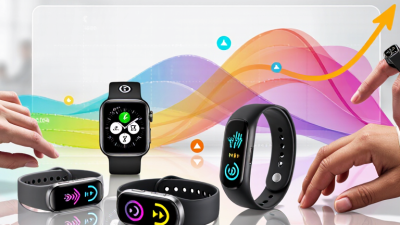
2026 Best Wearable Mental Health Monitoring Sensors
Mental health is becoming a measurable public health priority, not merely a private concern. The World Health Organization reported that nearly one in eight people worldwide lived with a mental disorder in 2019. It also estimated that depression and anxiety cost the global economy about US$1 trillion annually through lost productivity. These figures explain why clinicians, researchers, and technology companies are examining continuous digital signals.
Wearable mental health monitoring sensors can track heart-rate variability, sleep duration, skin temperature, electrodermal activity, and movement. A wrist device may record a restless night, elevated pulse, and reduced daytime activity before a user recognizes a pattern. Industry analyses from Grand View Research and Fortune Business Insights continue to project strong growth across wearable technology and remote monitoring markets. Meanwhile, Deloitte’s digital health research shows increasing consumer interest in connected health tools, although trust and data protection remain decisive barriers.
The field is promising, but not settled. These sensors measure physiological proxies, not emotions or diagnoses. A high heart rate might reflect anxiety, exercise, caffeine, or an uncomfortable meeting. Clinical validation also remains uneven across age groups, skin tones, cultures, and medical conditions. The 2023 World Health Organization guidance on digital health emphasizes evidence, safety, equity, and responsible governance. Those principles should guide the 2026 sensor landscape. The best products will combine accurate hardware, transparent algorithms, human oversight, and clear consent. Some claims still move faster than the evidence. That deserves scrutiny.
Read more »
 By:Avery
- October 17, 2026
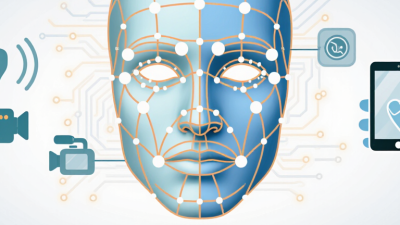
2026 Best Facial Rehabilitation Tracking Device Guide
Facial rehabilitation is becoming more measurable, yet the face remains difficult to assess. Small changes matter. A slight cheek lift, delayed blink, or uneven smile can reveal progress that ordinary photographs miss. The 2026 Best Facial Rehabilitation Tracking Device Guide examines tools designed to capture these changes with greater consistency.
A Facial rehabilitation tracking device may use video analysis, facial landmarks, motion sensors, or clinician-reviewed recordings. These systems can track symmetry, movement range, timing, and unwanted muscle activity. Facial nerve specialist Dr. Babak Azizzadeh has emphasized that rehabilitation should pursue “coordinated, natural movement, not movement alone.” That principle matters when comparing devices. A higher score does not always mean a better recovery. Clinical interpretation remains essential.
This guide considers measurement accuracy, comfort, data security, software usability, and professional oversight. It also examines how devices perform in real settings, including a quiet clinic room, a patient’s home, and a short daily exercise session. Reliable tracking should support therapy rather than replace it. It should help clinicians notice gradual improvement and help patients understand their own movement patterns.
Some limitations deserve attention. Facial lighting can distort results. Camera angles can change symmetry readings. Fatigue may affect performance. These details are easy to overlook. Therefore, readers should treat device data as evidence, not as a final diagnosis. The strongest options combine repeatable measurements with experienced clinical judgment, transparent validation, and practical rehabilitation goals. Progress is rarely perfectly linear. That is normal.
Read more »
By:Avery
- October 12, 2026
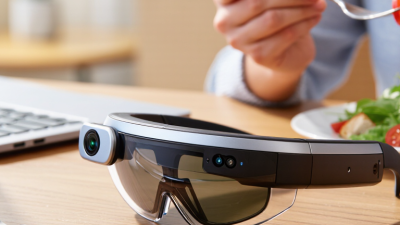
Top 10 Eating Behavior Monitoring Glasses Manufacturers
Eating behavior monitoring glasses are moving from experimental laboratories toward practical nutrition, wellness, and human-computer interaction applications. These devices may use cameras, motion sensors, microphones, or artificial intelligence to identify bites, chewing patterns, meal duration, and hand-to-mouth movements. A small frame can record a surprisingly complex routine: a fork lifted, a pause between bites, or a distracted snack beside a bright laptop.
Researcher A. Thomaz, whose work explores wearable systems and eating recognition, offers a useful principle: “Technology should support awareness, not replace human judgment.” That idea matters. Eating behavior monitoring glasses should not diagnose conditions, shame users, or promise instant weight-loss results. Their value depends on accurate sensing, transparent data practices, comfortable design, and responsible interpretation.
This Top 10 Eating Behavior Monitoring Glasses Manufacturers guide examines companies shaping this emerging category. The comparison considers sensor capability, software integration, research evidence, privacy controls, battery performance, comfort, and real-world usability. Some manufacturers focus on clinical studies. Others emphasize consumer wellness or smart-glasses platforms.
The market remains immature. Some product claims are stronger than the published evidence. Testing conditions can also differ sharply, from controlled meals to noisy restaurants. That weakness deserves attention, not concealment.
Readers should therefore treat this list as a practical starting point, rather than a medical recommendation. The best manufacturer may not offer the most impressive prototype. It may offer the clearest limitations, the most reliable measurements, and the least intrusive everyday experience.
Read more »
By:Avery
- October 7, 2026
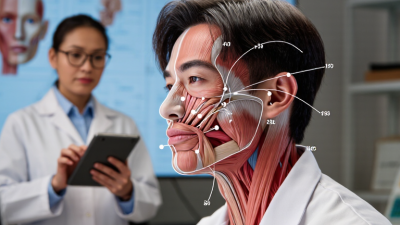
7 Tips for Facial Muscle Activation Mapping?
Facial muscle activation mapping turns subtle facial movement into visible, analyzable information. It helps researchers, clinicians, designers, and aesthetic professionals observe which muscles engage, when they respond, and how strongly they move. A raised brow may involve more than one small contraction. A genuine smile can reach the eyes. The details matter.
Paul Ekman, a leading authority in facial expression research, said, “The face is the best place to observe emotion.” His work, including the Facial Action Coding System, shaped modern approaches to documenting facial actions. Yet observation alone is not enough. Reliable mapping requires consistent lighting, accurate landmarks, careful participant instructions, and awareness of individual anatomy. Facial muscle activation mapping should support evidence-based interpretation, not replace clinical judgment or personal consent.
This guide presents seven practical tips for creating clearer, more useful activation maps. It considers camera placement, baseline expressions, muscle regions, movement timing, and data quality. It also addresses common mistakes, such as confusing skin movement with muscle activity or treating one facial pattern as universal. No map is perfect. Human faces are not simple diagrams.
A small error can change the reading.
The strongest workflow combines technical measurement with thoughtful review. Use visible details, repeat observations, and question uncertain results. The goal is not to label every movement too quickly. It is to build a defensible picture of facial behavior, one controlled observation at a time.
Read more »
 By:Elara
- October 2, 2026

5 Tips for Choosing Real Time Facial Analytics Platforms
Choosing a facial analytics system is not just a matter of comparing feature lists. It is about understanding how the technology performs in the setting where people will actually encounter it. A polished dashboard can still hide slow processing, uneven results, or unclear data practices. A Real-time facial data analytics platform should explain what it measures, how quickly it responds, and where its limits lie. Test it with realistic lighting, camera angles, and crowd conditions. Small details matter.
The most useful comparison starts with the intended use. A retail entrance, a transport hub, and a workplace have different operational needs. Ask how the platform handles image quality, system outages, and changes in performance across demographic groups. Check whether data retention, access controls, and deletion settings are clearly documented. Look closely at integration requirements, too; a tool that works in a demonstration may need substantial configuration on site. Accuracy is not one number. Results can shift with context, so vendors should describe their testing methods and provide evidence relevant to your environment. That distinction matters. Consider who reviews alerts, how errors are corrected, and what staff need to use the system responsibly. A limited pilot can reveal practical issues before a wider rollout, though a short test will not answer everything. No platform is perfect. These five tips offer a grounded way to compare options, ask sharper questions, and choose a system whose performance and safeguards can be verified.
Read more »
By:Elara
- September 27, 2026
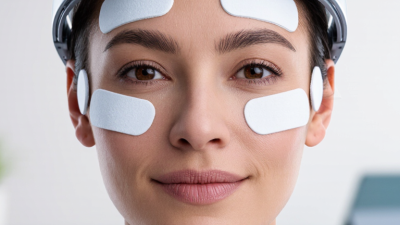
7 Best Wearable Facial Biofeedback Hardware Options?
Facial expressions can reveal tension before people consciously notice it. A clenched jaw, raised brow, or tightening around the eyes may signal stress, fatigue, or emotional strain. Wearable facial biofeedback hardware turns these subtle movements into measurable feedback through sensors, mobile applications, or guided visual cues. This guide examines seven hardware options designed for different practical needs, including facial electromyography, motion tracking, skin-response sensing, and multimodal systems.
The comparison focuses on sensor placement, comfort, signal quality, battery life, software support, and privacy safeguards. A device that looks elegant may still feel distracting after twenty minutes. Another may collect detailed data but offer weak feedback tools. Small differences matter. We consider how each option performs during desk work, meditation, therapy-informed exercises, and controlled research settings. Claims are assessed against manufacturer documentation, published evidence, and real-world usability rather than marketing language alone.
No wearable can interpret emotion perfectly. Facial signals vary between individuals, cultures, lighting conditions, and physical activities. That limitation deserves attention. Users should treat feedback as a prompt for reflection, not a medical diagnosis or final judgment about their feelings. Clinical use should involve qualified professionals, especially when anxiety, trauma, pain, or neurological symptoms are involved. Data handling also matters: clear consent, secure storage, and understandable deletion controls should be expected. The strongest choice may not be the most advanced model. It may be the one that stays comfortable, explains its readings clearly, and supports consistent, informed practice. Our ranking remains practical, but some evidence is still developing.
Read more »
By:Elara
- September 22, 2026
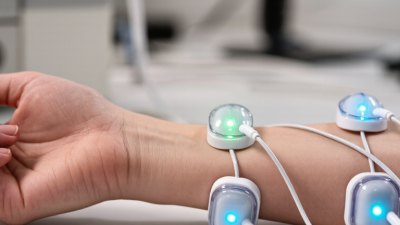
How to Choose Optomyography Sensor Technology?
Choosing Optomyography sensor technology requires more than comparing prices or impressive laboratory graphs. The right choice depends on the intended measurement, user population, and operating environment. Optical myography systems detect muscle activity through changes in light absorption and scattering. They may support rehabilitation, prosthetic control, sports analysis, and human–machine interfaces. However, performance can change when sweat, hair, skin motion, or ambient light enters the measurement path. Small design details matter.
Industry research shows strong momentum in wearable sensing. MarketsandMarkets’ Wearable Sensors Market report identifies healthcare, fitness, and consumer electronics as major application sectors. Grand View Research also reports continuing growth in wearable technology, driven by remote monitoring and compact sensor integration. These findings suggest commercial opportunity, but market growth does not guarantee clinical reliability. A sensor should be judged by signal-to-noise ratio, sampling rate, optical wavelength, electrode-free comfort, battery life, and calibration stability. Check the raw waveform, not only the dashboard.
Practical testing is essential. Place the prototype on a moving forearm, under ordinary indoor lighting, and after several minutes of exercise. Compare repeated contractions across different skin tones and body types. Measure latency, drift, motion artifacts, and data loss. ISO 10993 guidance can support biocompatibility assessment when skin contact is prolonged, while IEC 60601 standards may become relevant in medical electrical equipment contexts. Regulatory classification still depends on the product’s claims and market.
There is no universal winner. That assumption deserves skepticism. The best Optomyography sensor technology balances optical performance, user comfort, manufacturability, and evidence quality. A transparent validation plan is often more valuable than a higher headline specification. Revisit the choice after real-world testing.
Read more »
By:Elara
- September 16, 2026
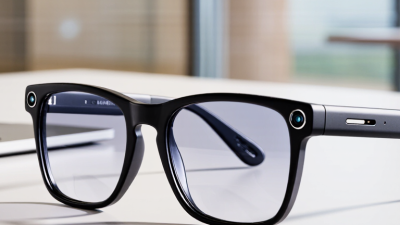
Where to Buy the Best OCOsense Smart Glasses from China?
Finding the best OCOsense smart glasses from China requires more than comparing prices. Buyers should examine the supplier, product specifications, warranty terms, and communication quality before placing an order. Reliable sellers usually provide clear model numbers, detailed technical sheets, real product photographs, and traceable company information. A polished listing alone proves very little.
Begin with established manufacturer websites, verified B2B marketplaces, and authorized distributors where available. Request a sample before making a larger purchase. Test the display brightness, frame comfort, camera performance, audio clarity, battery life, and connection stability. Small details matter. A loose hinge or delayed notification can change the daily experience.
Ask whether the glasses support the required mobile operating system and regional services. Confirm software update methods, data handling practices, packaging standards, and after-sales support. Suppliers should explain shipping documents, return conditions, and warranty coverage in writing. Independent reviews can help, but they may be incomplete or influenced by sponsorships. Treat strong claims carefully.
A dependable purchasing decision also depends on supplier experience. Look for consistent answers, responsive technical support, and evidence of quality-control procedures. Factory audits or third-party inspection services may provide additional confidence for commercial buyers. However, inspection cannot replace hands-on testing.
Some details remain uncertain until the product is used for several weeks. Comfort, heat, and battery endurance can differ between users. That is worth acknowledging. This guide compares practical buying routes and evaluation points, helping readers choose OCOsense smart glasses with clearer expectations and fewer costly surprises.
Read more »
By:Avery
- September 16, 2026
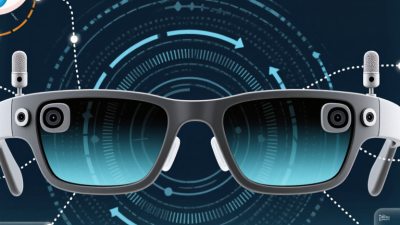
What Is Emotion Sensing Eyewear and How Does It Work?
Emotion-sensing eyewear is changing how machines interpret human attention, stress, and emotional response. These glasses may combine miniature cameras, eye-tracking sensors, microphones, and physiological measurements. The hardware sits close to the face. It can observe blinking, pupil movement, gaze direction, voice patterns, or skin changes.
But these signals are not emotions themselves. They are clues.
Rosalind W. Picard, an MIT professor and founder of Affectiva, wrote, “Computers need to have emotional intelligence.” Her work helped establish affective computing as a serious research field. It also reminds us that technology should support people, not pretend to understand them perfectly.
In practice, Emotion-sensing eyewear collects signals, processes them through software, and compares patterns with trained models. A sudden change in gaze may suggest distraction. Faster blinking might indicate fatigue. A warmer skin reading could reflect stress, movement, or room temperature. Context matters greatly.
The technology remains imperfect.
A device can misread concentration as tension. It can mistake bright light for pupil response. Personal differences also matter. One person’s quiet focus may look like emotional withdrawal to an algorithm.
This article explores what Emotion-sensing eyewear measures, how its sensors work, and where interpretation becomes uncertain. It also considers calibration, data security, consent, and real-world reliability. Clear limits are essential. Emotional inference should remain an aid, not a final judgment about someone’s inner state.
Read more »
By:Avery
- September 16, 2026